11 August 2026
Text by IUCN (iucn.org)
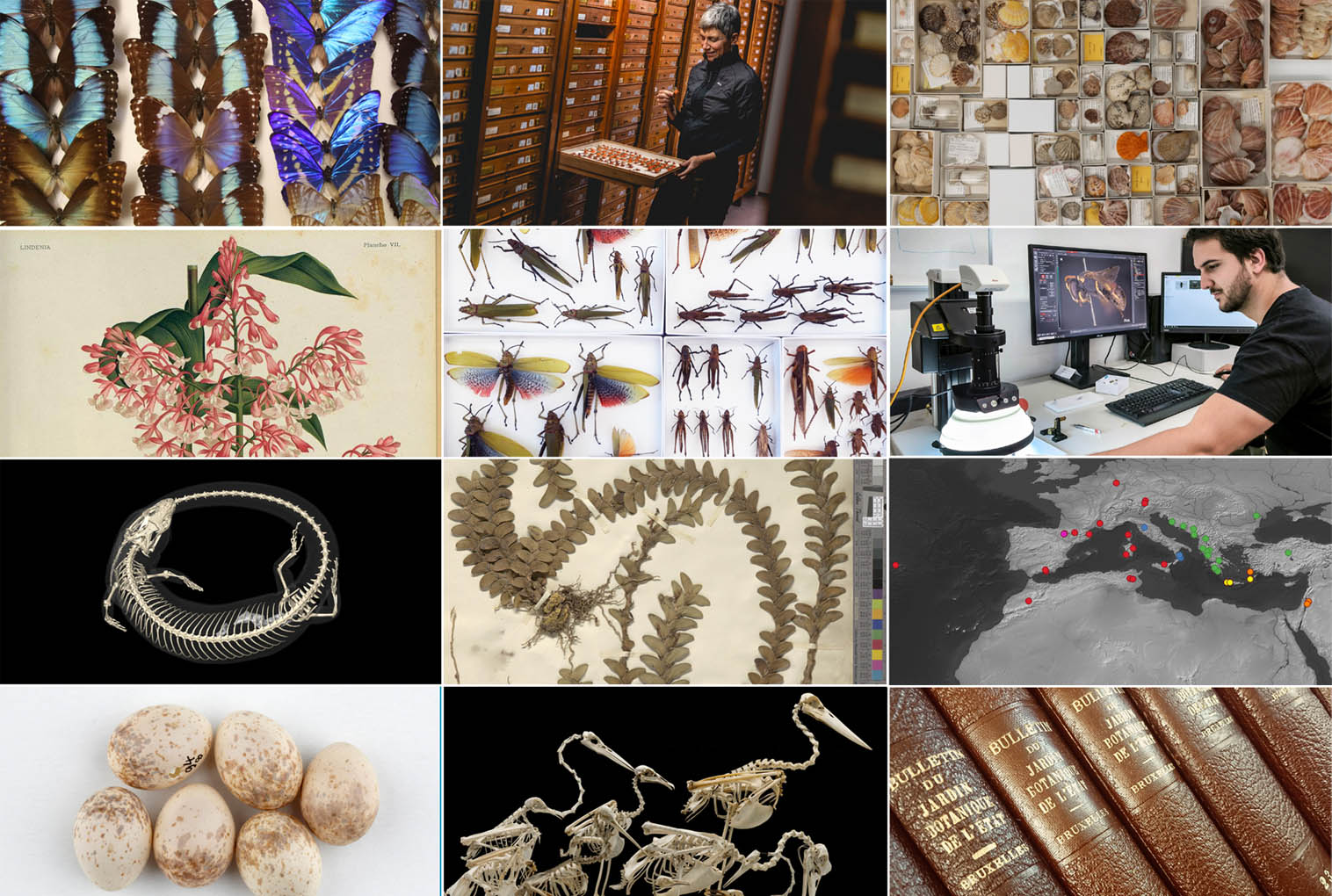
Millions of preserved specimens in the world’s natural history museums, herbaria, fungaria and other bio-repositories represent an irreplaceable library of life on Earth, providing the foundational evidence for discovering species, understanding evolutionary processes, and documenting and protecting the planet’s biological heritage. The IUCN Species Survival Commission (SSC) recognizes that Natural History Museum Collections (NHMCs) are not merely repositories of the past but are dynamic, research-active infrastructures critical for addressing contemporary and future global challenges.
NHMCs are essential for supporting taxonomy, the scientific discipline which provides the universal naming system, without which a species cannot be protected, and are pivotal in conservation planning, disease surveillance, climate change research, and the documentation of extinction. However, the crucial role of NHMCs is often under-valued and their potential under-supported.
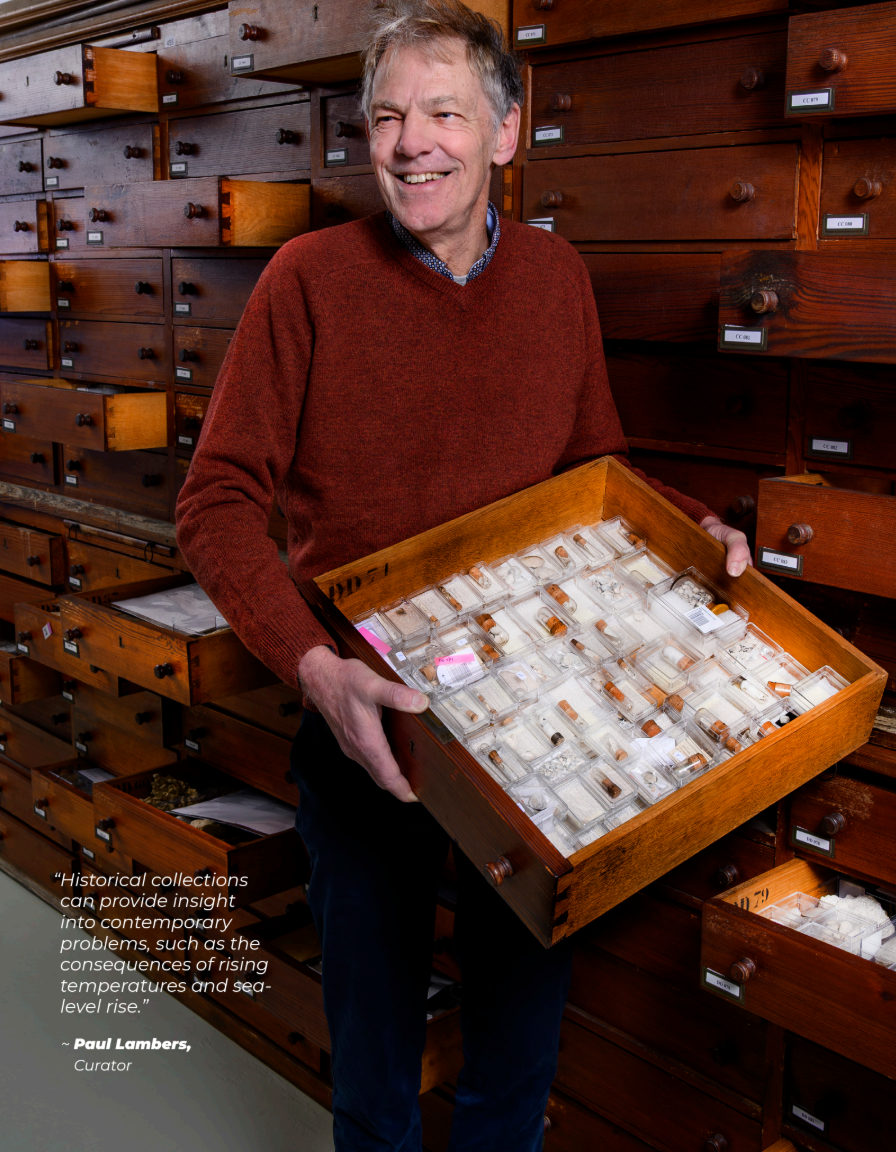
Paul Lambers, curator at the Universiteitsmuseum Utrecht, partners of DiSSCo-NL
The purpose of this document is:
1) to outline SSC’s position on the indispensable roles played by NHMCs in species conservation and scientific discovery,
2) to urge governments, universities, and agencies to prioritize and fund these collections as critical scientific infrastructures,
and 3) to encourage the global conservation community to fully integrate the resources and expertise of NHMCs into a collaborative strategy to reverse biodiversity decline.
Do you want to know more about the technical side of DiSSCo? DiSSCo puts different technical knowledge platforms at the scientific community’s disposal:
DiSSCoTech: Get the latest technical posts about the design of DiSSCo’s Infrastructure
DiSSCo GitHub: Code hosting for DiSSCo software, version control and collaboration
DiSSCo Modelling Framework: A WikiBase tool that is configured to create an abstraction of the DiSSCo data model